This website may not work correctly in Internet Explorer. We recommend switching to a more secure modern web browser such as Microsoft Edge which is already installed on your computer.

View this website in Edge.

Gold's transparency problem isn't going away

“It’s estimated that 32-41% of African gold production goes undeclared.
— Swissaid report, 2023

The global gold trade moves more than $380 billion a year. A meaningful share of it carries origin claims that can’t be independently verified.

Switzerland’s due diligence law requires firms to document smelters, refiners, and suppliers across the chain. But even Swiss industry bodies admit paperwork alone doesn’t verify how the gold was actually produced.

There is a gap, and it is being exploited. Regulators are increasingly catching up to this.

In 2025, Swiss authorities investigated a metals trader over Russian gold transactions, and the EU took action against a refinery for facilitating conflict-linked exports.

Now, from January 2026, LBMA Good Delivery refiners must publicly disclose exporter identities in red-flag locations, all WGC mines they source from, and every sourcing country.

What this means for gold supply chains

As scrutiny tightens and origin verification becomes more widely adopted, unverifiable origin claims become a substantial liability:

a bar you can’t sell with confidence,
a customer relationship you can’t fully stand behind,
and a problem if that gold turns out to be linked to sanctions, conflict financing, or fraud.

That is the gap origin verification can help you close.

This technology doesn’t replace KYC, audits, certification, or OECD due diligence – it adds what those systems can’t provide alone: scientific confirmation of what’s physically in the product, independent of accompanying paperwork.

For refiners navigating LBMA RGG10, Swiss due diligence law, or sanctions-related scrutiny, this is an evidentiary layer that strengthens existing programs – and one that’s difficult to circumvent, because it doesn’t rely on documents at all.

Source Certain has an extensive history of pioneering gold origin verification technology, seamlessly integrating with your existing supply chain processes to help you get ahead of supply chain risk.

Book Your Free Discovery Call
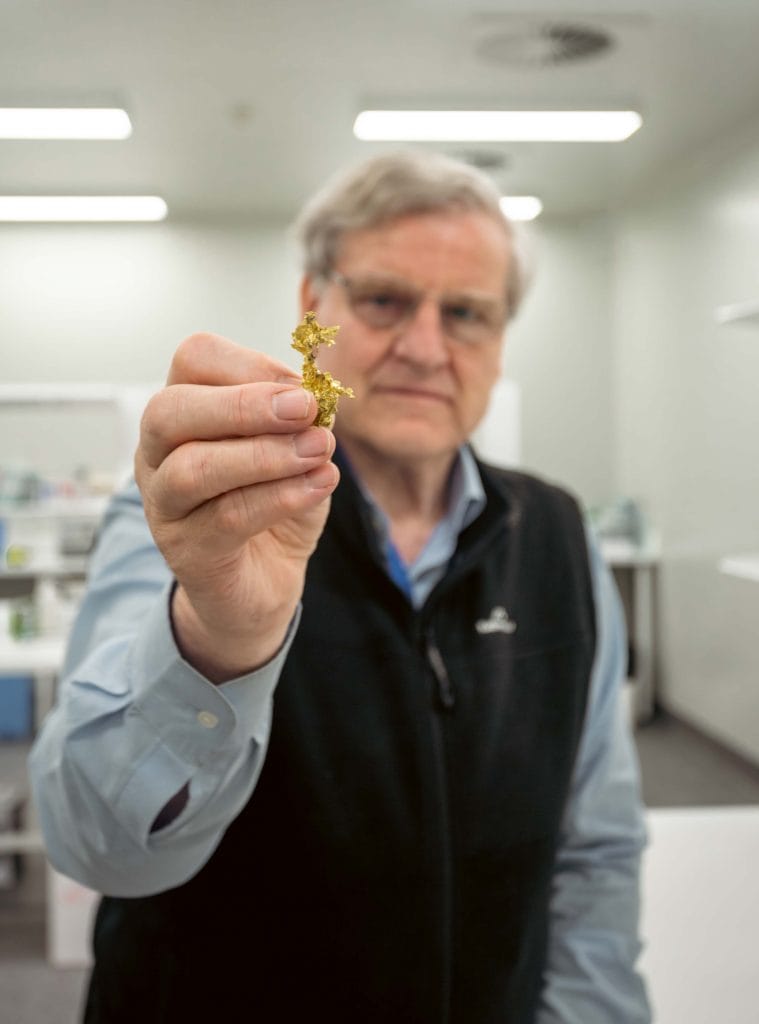
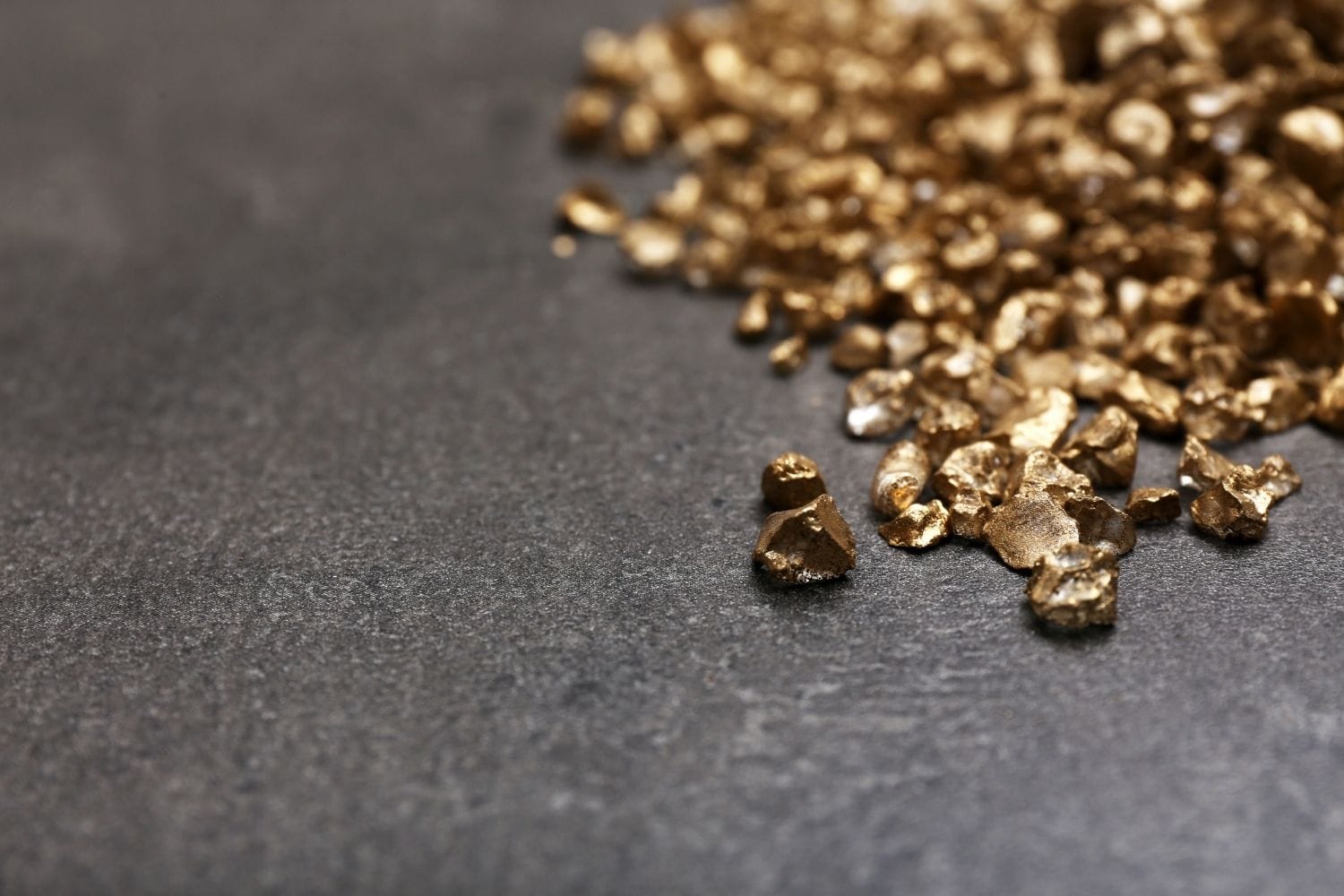
Scientist with gold sample

Proven in practice: ABC Refinery

ABC Refinery is part of the Pallion group and Australia’s only independent LBMA Good Delivery-accredited refiner. In 2025, they also became Australia’s first refinery to integrate Source Certain’s gold fingerprinting into its due diligence process.

Over four months, hundreds of gold samples from every supplying mine underwent more than 1,500 trace element analyses, establishing a reference database that now underpins ongoing origin verification for all incoming doré.

The result: ABC Refinery can now verify the origin of every gold batch it receives, back to the specific mine it came from – even before it enters the refined product stream.

“ABC Refinery’s adoption of Source Certain technology strengthens trust in the provenance of ABC Bullion gold bars, offering customers transparency and confirmation of the origin of gold bars.”
– Andrew Cochineas, CEO, Pallion

Read the Full Article

How gold origin verification works

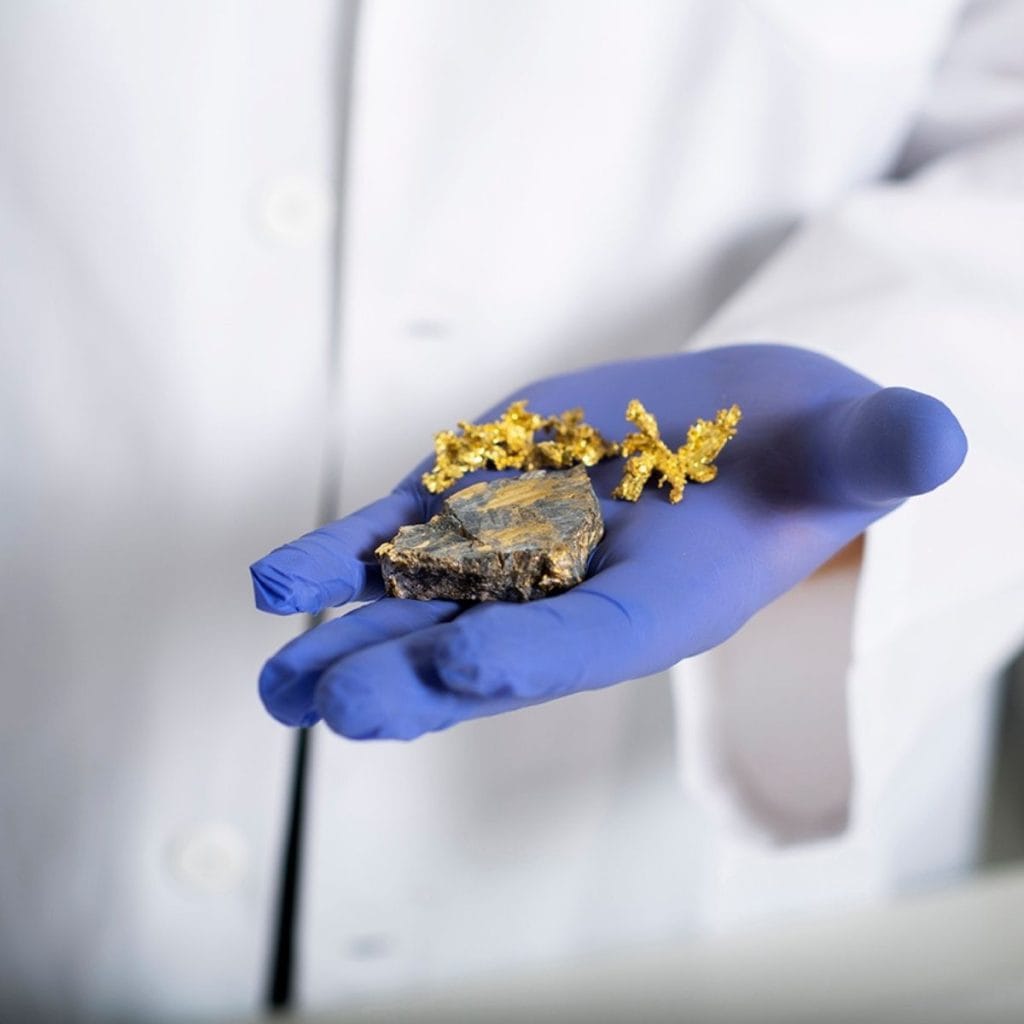
Every gold deposit forms under unique geological conditions. Those conditions leave a measurable elemental signature in the gold itself.

1. Build the reference database

Authentic samples from known mines establish a fingerprint for each source. These reference samples are collected directly from verified operations and analysed using Source Certain’s trace-element methodology to create a baseline for comparison.

For a single client alone, Source Certain analysed hundreds of mine samples and conducted more than 1,500 trace-element analyses to establish a forensic reference database.

2. Catalogue the profiles

Each mine’s signature is recorded in a reference database specific to your supply chain, allowing material to be compared against known sources with a high degree of confidence.

3. Test incoming material

Doré or scrap entering the refinery is analysed and compared against the database.

Because the analysis examines the gold itself, verification remains possible even when documentation is incomplete or the material has changed hands multiple times.

4. Verify or investigate

Where a sample aligns with a known profile, its claimed origin can be supported. Where it does not, the material can be assessed further before entering the refined product stream.

5. Expert support

Whether the objective is supply-chain verification, due diligence support, internal investigation, or regulatory response, Source Certain provides practical guidance informed by over a decade of provenance science.

Get Started

Trusted by industry leaders

“King River Resources is very happy with Source Certain’s performance on our project. From the conception of the project through to the commissioning of the Laboratory Scale Pilot Plant, Source Certain have been collaborative and continued to not just deliver the work but continually provided valuable contribution to ensure a successful outcome.”

Doug Flanagan
Chief Executive Officer of KRR’s High Purity Metals Division
Minerals and Exploration Service

Ready to find out what's really in your supply chain?

Book a free, no-obligation discovery call. We'll talk through your current sourcing setup, where trace element analysis could add value, and what a verification program might look like for your operation.

Actionable provenance insights for leaders

Talk to an expert